Marketing in the age of AI automation
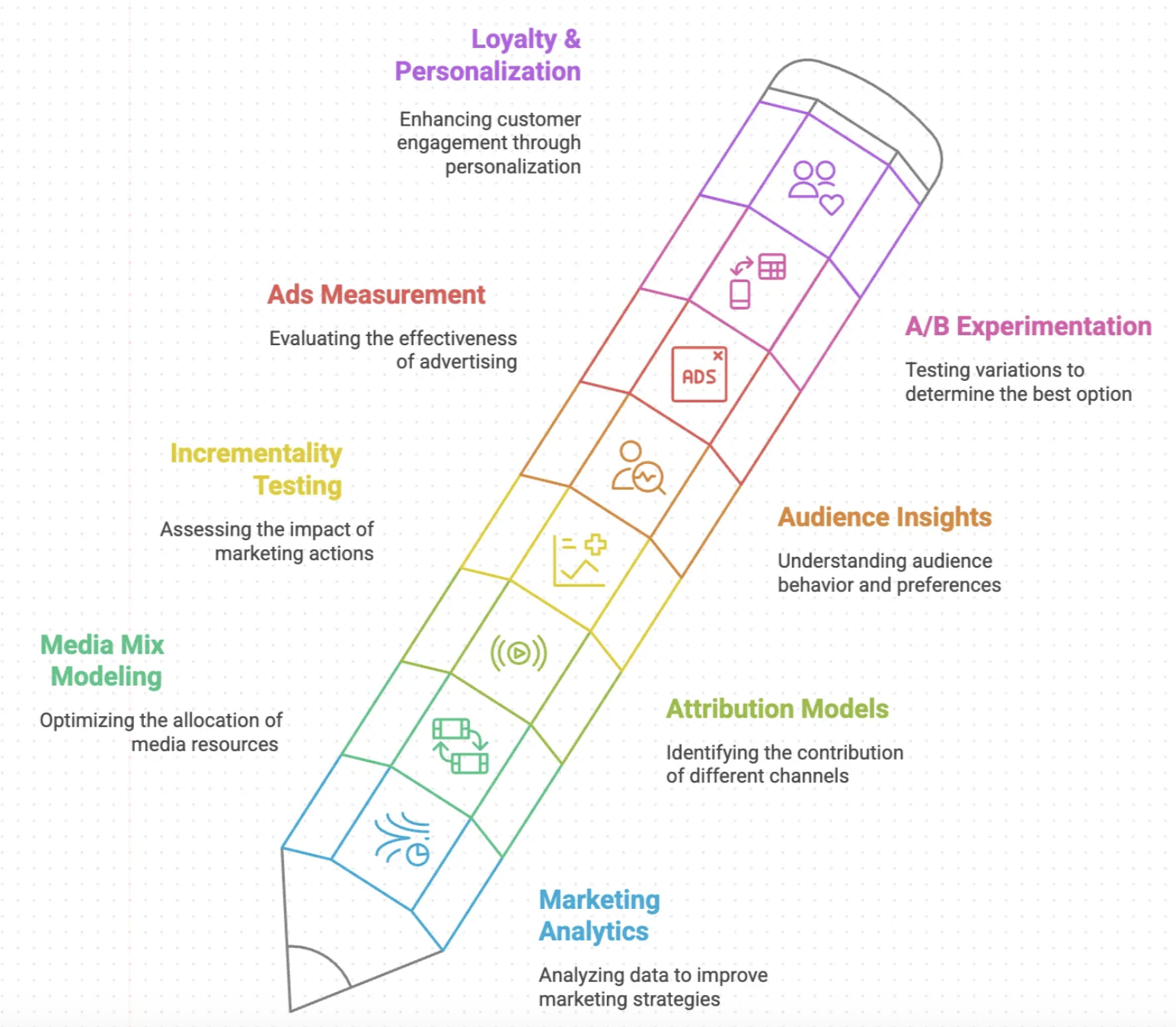
Marketing has entered a new era -- one where artificial intelligence is at the heart of everything. From personalized product recommendations to automated customer service, AI is reshaping how brands connect with their audience. Companies that leverage AI are not only improving efficiency but also creating hyper-personalized experiences that drive engagement and sales.
But what does this mean for businesses? How is AI changing the marketing landscape? And most importantly, how can companies stay ahead of the curve?
The role of AI in modern marketing
Gone are the days when marketing was purely about gut feelings and guesswork. Today, AI allows marketers to make data-driven decisions, automate repetitive tasks, and improve customer targeting. With machine learning algorithms processing billions of data points, businesses can now predict trends, optimize campaigns, and maximize ROI like never before.
AI-powered personalization
Understanding customer behavior. AI helps businesses understand their customers better than ever. By analyzing browsing history, past purchases, and online interactions, AI can predict what a customer is likely to want next. Netflix's recommendation engine suggests shows based on viewing habits, while Amazon recommends products based on past purchases. These AI-driven suggestions increase user engagement and sales.
Personalized email marketing. AI allows businesses to create hyper-personalized email campaigns by segmenting audiences based on behavior. AI-powered tools adjust subject lines, content, and send times to maximize open and conversion rates. For example, an e-commerce company using AI to send personalized discount emails based on what a customer browsed but did not buy.
AI in advertising and media buying
Programmatic advertising. AI automates the buying and placement of digital ads, ensuring they reach the right audience at the right time. Google Ads and Meta Ads use AI to optimize bids and placements in real time.
Predictive analytics for ad targeting. AI predicts which users are most likely to convert and adjusts ad strategies accordingly. Brands use AI-generated creatives tailored to different audience segments to maximize engagement.
AI-powered chatbots and virtual assistants
Enhancing customer support. AI chatbots provide instant customer support, reducing response times and improving service. Banks and e-commerce platforms use chatbots to handle routine inquiries, freeing up human agents for complex issues.
Conversational AI in marketing. AI-driven chatbots on WhatsApp, Messenger, and websites handle bookings, order tracking, and FAQs, improving user experience and engagement.
AI and data privacy concerns
How AI connects the data dots. AI unifies data from different platforms -- Google, Instagram, emails, in-store sales -- to create a seamless customer journey. A fashion retailer might track a customer's interactions across multiple devices, even if they are not logged in.
Addressing privacy concerns. Consumers worry about how much AI knows about them. Businesses must be transparent, follow data protection laws like GDPR and CCPA, and give users control over their data.
The future of AI in marketing
AI's role in marketing is only expanding. We will soon see AI-generated content, AI-powered virtual influencers, and smarter chatbots handling complex interactions. The businesses that embrace AI will lead, while those that resist may struggle to compete.
AI is no longer a futuristic concept -- it is here, transforming marketing in real time. From personalized content to automated advertising, AI-driven marketing is the key to staying relevant in the digital age.
Businesses must adapt, stay informed, and use AI ethically to maintain customer trust and competitive advantage.
FAQs
How does AI improve marketing efficiency? AI automates repetitive tasks, optimizes campaigns, and provides data-driven insights to enhance performance.
Is AI-driven personalization invasive to consumer privacy? While AI enhances user experience, businesses must be transparent about data usage and comply with privacy laws.
What are the top AI tools used in marketing today? Popular tools include Google AI, HubSpot, Salesforce Einstein, and Adobe Sensei.
Can AI replace human marketers? AI assists marketers but cannot replace human creativity, strategy, and emotional intelligence.
How should businesses prepare for AI in marketing? Invest in AI tools, train teams on AI adoption, and ensure ethical data practices.